Contacts

92 Bowery St., NY 10013

+1 800 123 456 789

By James Grimm, MD In 2015 the New York Times published a video, “Praying for a Cure”. I have watched it many times, not believing the conditions under which these mentally ill individuals live. Such confinement would hinder any treatment and they sadly often face a lack of options. This was my introduction to the Association Saint Camille. Its founder and director, Gregoire Ahongbonon, provided some initial comfort to my dismay. His inspiration led to my first trip to Benin in January 2020. I was out of my professional comfort zone for the first time in years. A tour of Saint Camille’s various treatment settings helped relieved any anxieties as I was greeted by clients singing and dancing. Equally uplifting was Saint Camille’s policy to provide care to anyone regardless of their ability to pay. Such access gave hope for these individuals. I will return to Saint Camille as it offered a practice of psychiatry that is both necessary and fulfilling. There is no greater satisfaction than restoring someone’s dignity and allow them to achieve their potential.
News

Pauline, Future Dressmaker

By Estelle Agboton and Serena Clayton

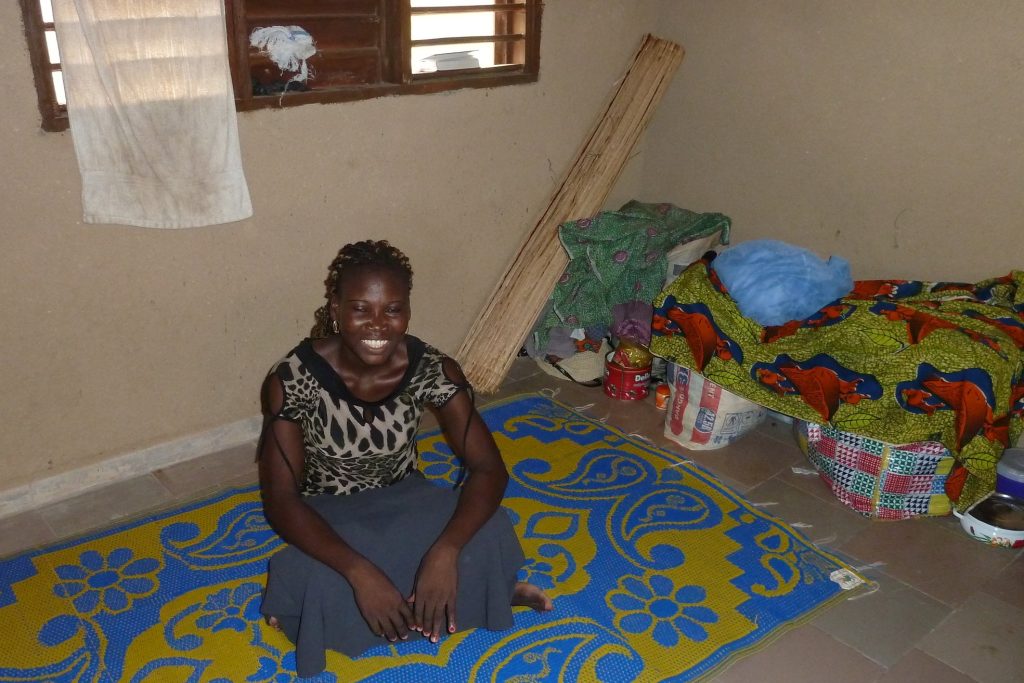
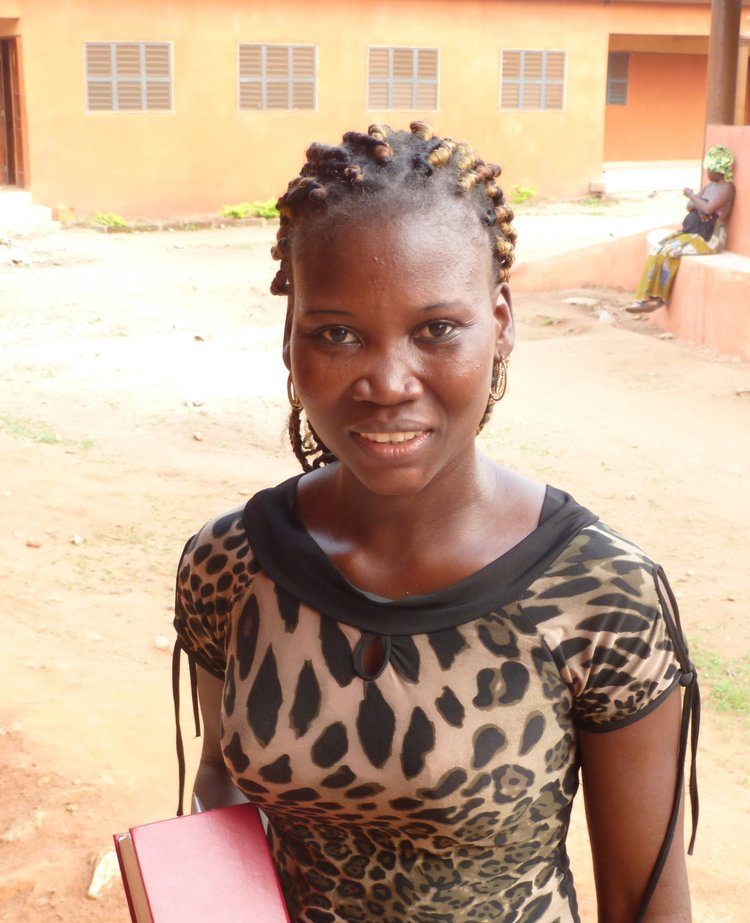
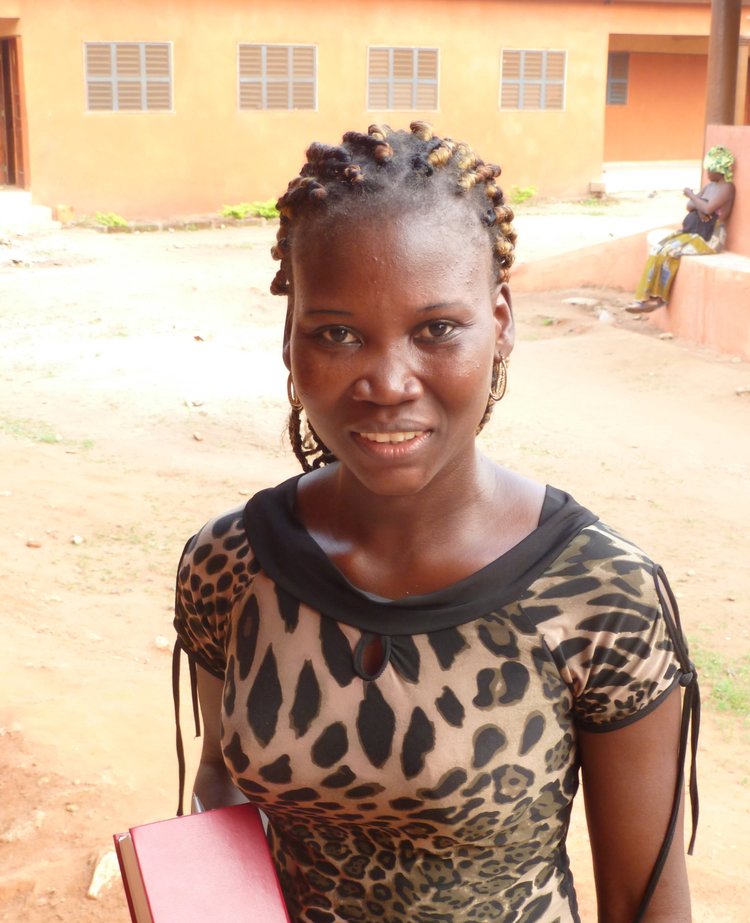
Pauline’s plan to become a great dressmaker was something she could never have imagined when she was being beaten to “cure” her delusions and uncontrollable behavior. Born in 1994 in a small city in the north of Benin, Pauline was well-loved by her parents and five siblings. But due to illness and financial hardship, she dropped out of school in third grade and was sent to work as a servant in a family home. After a few years, the family accused her of robbery and sent her to a religious leader to force her to confess which precipitated a mental breakdown. She refused to speak, heard voices and became aggressive. The family sent Pauline back to her parents who took her to evangelical churches and fetish worshipers where she drank herbal teas and was beaten by healers, none of which seemed to help. Pauline’s condition worsened over the next several years until 2015 when her family learned about the work of St. Camille. They took Pauline to St. Camille’s dispensary in her home town where she was evaluated and given medication. Within two weeks, she was markedly improved. She then agreed to enter St. Camille’s residential program in Djougou where she became part of a supportive therapeutic community. She has now graduated to the rehabilitation center at Calavi where she is learning sewing and her plan to become a great dressmaker is within reach.
By James Grimm, MD In 2015 the New York Times published a video, “Praying for a Cure”. I have watched it many times, not believing the conditions under which these mentally ill individuals live. Such confinement would hinder any treatment and they sadly often face a lack of options. This was my introduction to the Association Saint Camille. Its founder and director, Gregoire Ahongbonon, provided some initial comfort to my dismay. His inspiration led to my first trip to Benin in January 2020. I was out of my professional comfort zone for the first time in years. A tour of Saint Camille’s various treatment settings helped relieved any anxieties as I was greeted by clients singing and dancing. Equally uplifting was Saint Camille’s policy to provide care to anyone regardless of their ability to pay. Such access gave hope for these individuals. I will return to Saint Camille as it offered a practice of psychiatry that is both necessary and fulfilling. There is no greater satisfaction than restoring someone’s dignity and allow them to achieve their potential.

By Estelle Agboton and Serena Clayton

Pauline’s plan to become a great dressmaker was something she could never have imagined when she was being beaten to “cure” her delusions and uncontrollable behavior. Born in 1994 in a small city in the north of Benin, Pauline was well-loved by her parents and five siblings. But due to illness and financial hardship, she dropped out of school in third grade and was sent to work as a servant in a family home. After a few years, the family accused her of robbery and sent her to a religious leader to force her to confess which precipitated a mental breakdown. She refused to speak, heard voices and became aggressive. The family sent Pauline back to her parents who took her to evangelical churches and fetish worshipers where she drank herbal teas and was beaten by healers, none of which seemed to help. Pauline’s condition worsened over the next

By James Grimm, MD In 2015 the New York Times published a video, “Praying for a Cure”. I have watched it many times, not believing the conditions under which these mentally ill individuals live. Such confinement would hinder any treatment and they sadly often face a lack of options. This was my introduction to the Association Saint Camille. Its founder and director, Gregoire Ahongbonon, provided some initial comfort to my dismay. His inspiration led to my first trip to Benin in January 2020. I was out of my professional comfort zone for the first time in years. A tour of Saint Camille’s various treatment settings helped relieved any anxieties as I was greeted by clients singing and dancing. Equally uplifting was Saint Camille’s policy to provide care to anyone regardless of their ability to pay. Such access gave hope for these individuals. I will return to Saint Camille as it offered a practice of psychiatry that is both necessary and fulfilling. There is no greater satisfaction than restoring someone’s dignity and allow them to achieve their potential.

several years until 2015 when her family learned about the work of St. Camille. They took Pauline to St. Camille’s dispensary in her home town where she was evaluated and given medication. Within two weeks, she was markedly improved. She then agreed to enter St. Camille’s residential program in Djougou where she became part of a supportive therapeutic community. She has now graduated to the rehabilitation center at Calavi where she is learning sewing and her plan to become a great dressmaker is within reach.